Everything you wanted to know about the main ingredient in Chanel No. 5
Advert
Way & Dazzler
Everything you wanted to know about the primary ingredient in Chanel No. 5
What goes into the iconic Chanel No. 5 perfume? We travel to Grasse in France to join in the harvesting of the May Rose, the exquisite flower that anchors the maison's signature scent.
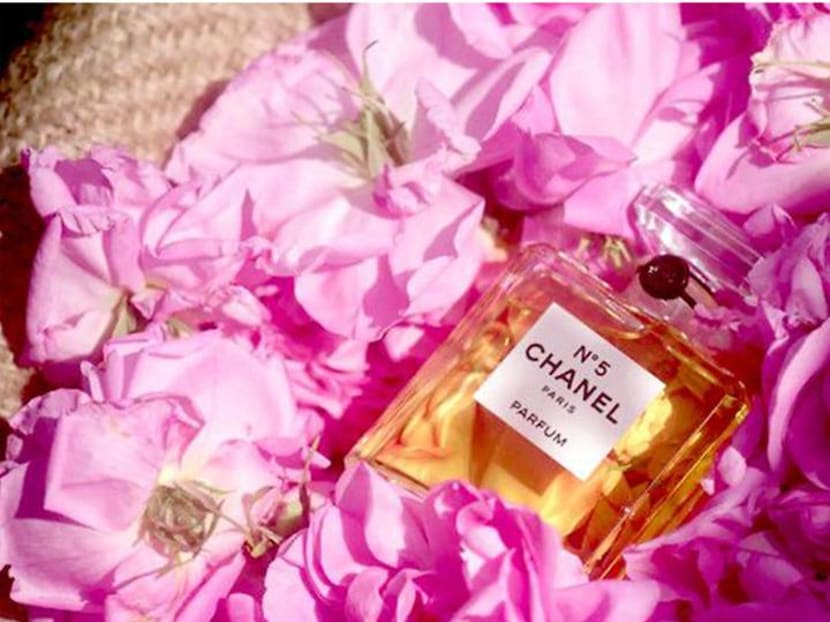
(Photo: Chanel)
28 Aug 2022 06:30AM (Updated: 04 Jul 2022 05:32AM)
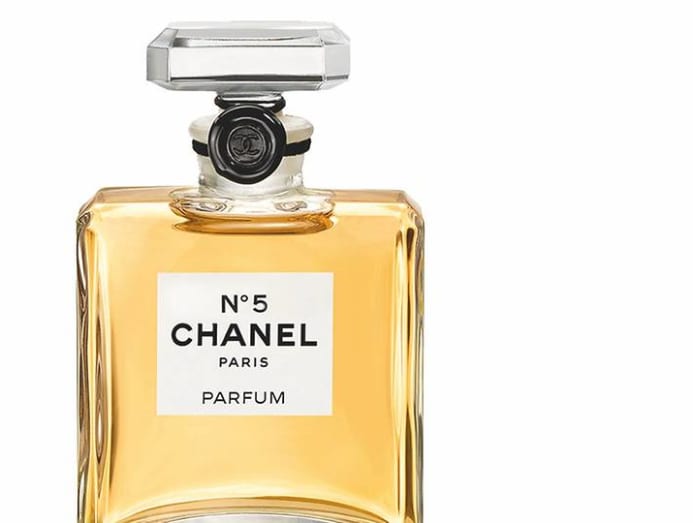
In that location are many outstanding perfume creations but nada quite as iconic equally the Chanel No 5. Gabrielle Chanel had requested for "a adult female's fragrance that smells like a adult female", which perfumer Ernest Beaux duly delivered in 1921. He designed an unorthodox scent that broke perfumery norms and then, mixing floral notes, including those from the May rose, jasmine, ylang‐ylang and sandalwood, with aldehydes.
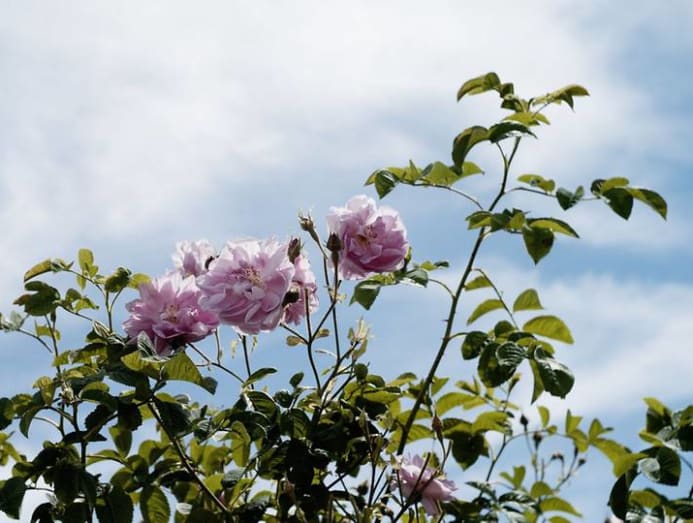
Chanel No. 5 would get on to get an icon of the house, and nigh a century on, its formula remains true-blue to the original despite various mod updates. In fact, the May rose has stayed on every bit a key ingredient in the formulation of the jus. Thanks to a partnership with the Mul family, the largest flower producer in Grasse, Chanel has ensured that it enjoys a consistent supply of premium May roses, whose extracts are used to codify scents such every bit Chanel No. 5 and No 5. 50'Eau.
SINGAPORE TATLER> How plants power the Chanel Sublimage L'Essence Lumiere
Co-ordinate to official figures, ane 30ml canteen of the No. 5 Parfum contains rose extracts from 12 May roses. And then how many roses does Chanel demand to harvest each season in order for its perfume production to stay on track? Olivier Polge, Chanel's in‐house perfumer, and Joseph Mul, owner of the fields walked us through the process.
HARVESTING
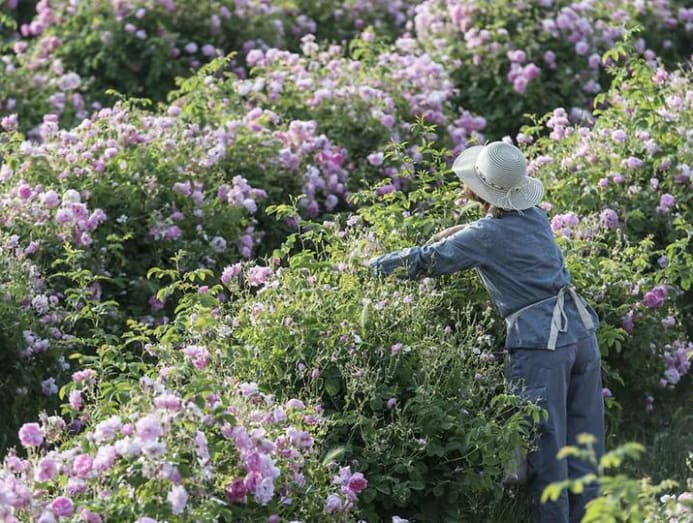
While Grasse is widely known every bit the birthplace of perfumery, information technology is very much a French countryside town with idyllic scenery of lush greenery and majestic mountains. The pace of life is relaxed, just every May, there is a surge of activity on Joseph Mul'due south fields in the commune of Pegomas. It is the harvest season of the legendary May rose, from which rose essence will be extracted and used in the composition of Chanel's many fragrances, including Chanel No. 5. Harvesters piece of work like clockwork, moving from bush to bush, plucking roses in full blossom, which resemble mini, pink cabbages, and dropping them into the aprons worn effectually their waists. Their actions are swift and decisive, and near automobile-like. Harvest season is, notwithstanding, only 3 weeks long, so they demand to work fast. This way, sufficient roses are gathered for the year. Why are the harvesters mostly women, I asked Mul. He shrugged his shoulders and quipped, "They say women are more than meticulous and the harvesting method requires more patience and intendance."
GATHERING
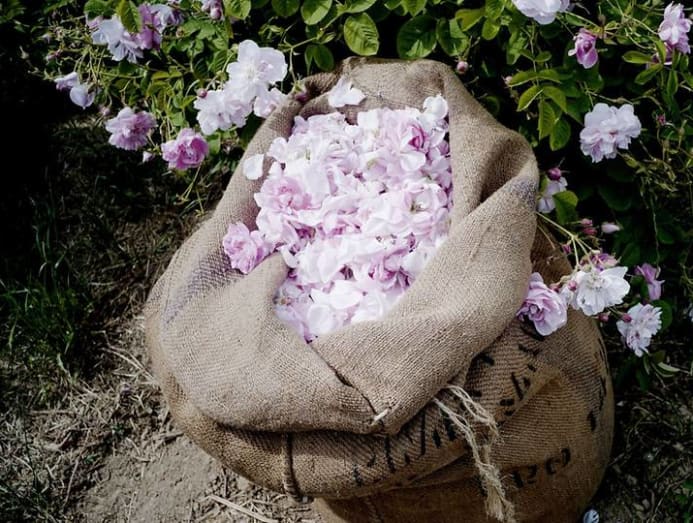
Later on the harvesters fill their apron pouches with rose blossoms, the flowers are transferred into large burlap bags made of jute, which allow the blooms to breathe. The fabric bags also requite the flowers sufficient infinite – this way, their delicate corollas volition not exist crushed. Each member of the harvesting crew picks five kg of flowers every hour, stopping work just earlier mid-day to prevent the harvested flowers from wilting in the rut. I was told every kilogram of rose contains about 350 flowers. If you exercise the math – if each harvester works for iv hours a day, she would be harvesting some seven,000 roses. Laborious indeed.
SINGAPORE TATLER> ix local beauty brands you should know
WEIGHING
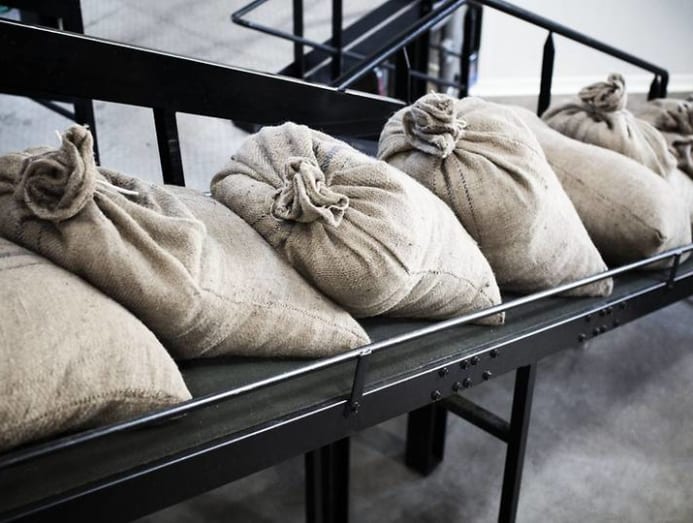
Workers from the extraction plant so transfer the bags of roses from the fields to the nearby facility, which is situated next to Mul's bloom fields. Here, the harvested flowers are weighed and processed within the next hr. This makes for piece of cake processing since it is a constant race confronting the clock. If left under the searing rut for any longer, not only will the flowers wilt, their olfactory properties as well change with a sharp driblet in the intensity of the fragrance.
EXTRACTION
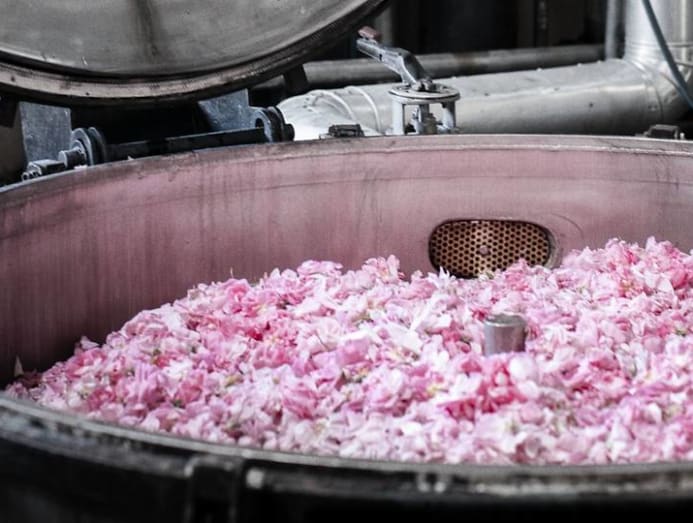
It is during the extraction procedure that all the romantic notions of roses and beloved disappear. In its place are precise and almost cold, scientific procedures, which will guarantee Chanel a constant supply of rose extracts. The weighed bags of roses are poured into a giant metal vat stacked with 5 perforated trays. The facility workers employ pitchforks to fifty-fifty out the flower pile, which contains almost 250kg of blooms, earlier they are bathed in 2,000L of hexane for three consecutive rounds, stirred gently and subjected to high temperatures.
POST-EXTRACTION
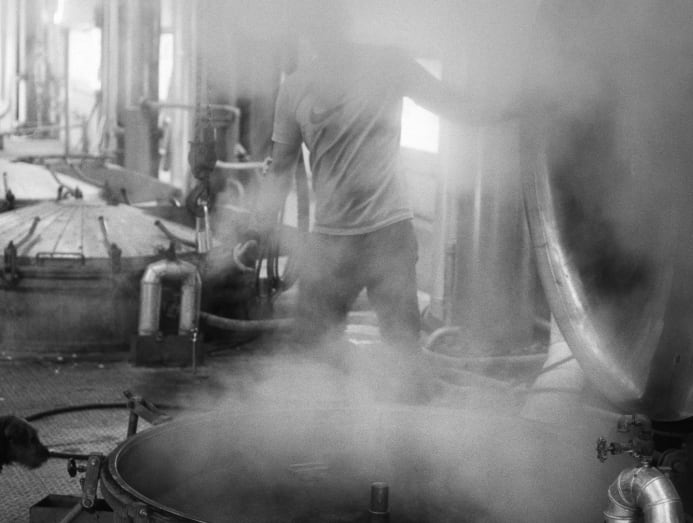
The entire process takes close to an hr before the vat is reopened. By now, the solvent has absorbed the fragrant components of the flowers, which announced, all the same stacked, in a cloud of steam. A slight burnt smell fills the air and the fragrance of the flowers is gone. Their bright pink hue has vanished too; what is left are stacks of brown, soggy petals.
CONCRETE
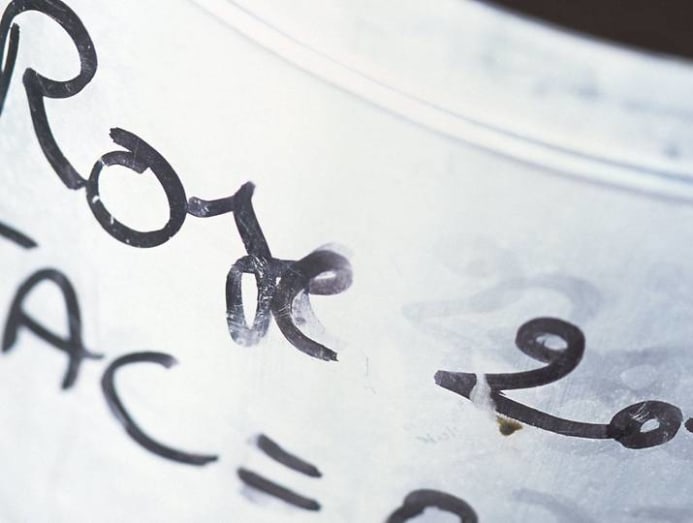
At the lesser of the metallic vat, the rose extracts are at present consolidated in the grade of fragrant wax, which is known as concrete. Almost 400kg of roses are needed to produce 1kg of concrete, making it a prized possession.
ABSOLUTE
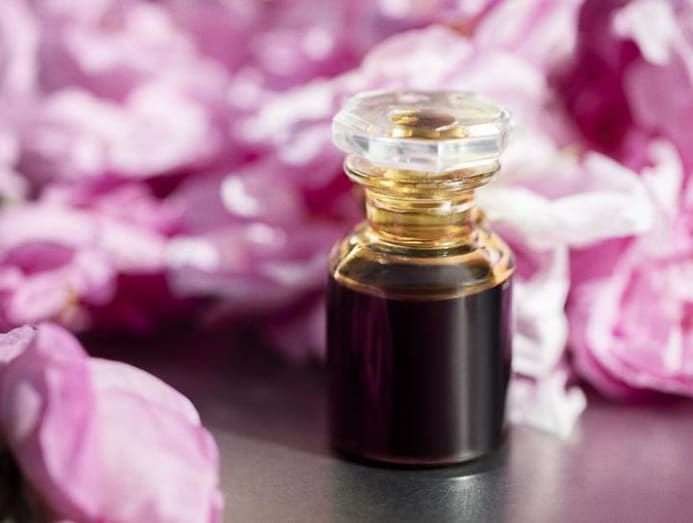
Whenever required by the Chanel in-house perfumer, Olivier Polge, the concrete is transformed into absolute. Start, the concrete is blended with booze several times in mixers. Then, the mixture is chilled and filtered to split the wax from the liquid before it is steam-distilled to remove the booze. The entire process takes shut to three days before the absolute is obtained. Almost 600g of rose absolute can be derived from 1kg of concrete.

Recent Searches
Trending Topics
Source: https://cnalifestyle.channelnewsasia.com/access/main-ingredient-chanel-no-5-228721

Post a Comment for "Everything you wanted to know about the main ingredient in Chanel No. 5"